Nintendo gave strategy RPG fans a deep look into Fire Emblem: Fortune’s Weave, hitting the Nintendo Switch 2 on September 17. Coming off the heels of Engage, this entry takes a huge narrative leap by blending the dark tone and calendar mechanics of Three Houses with a brand-new time-manipulation structure.
Instead of writing a standard recap, I’m breaking down the four most critical gameplay changes you need to know before stepping into the Dagdan Empire.
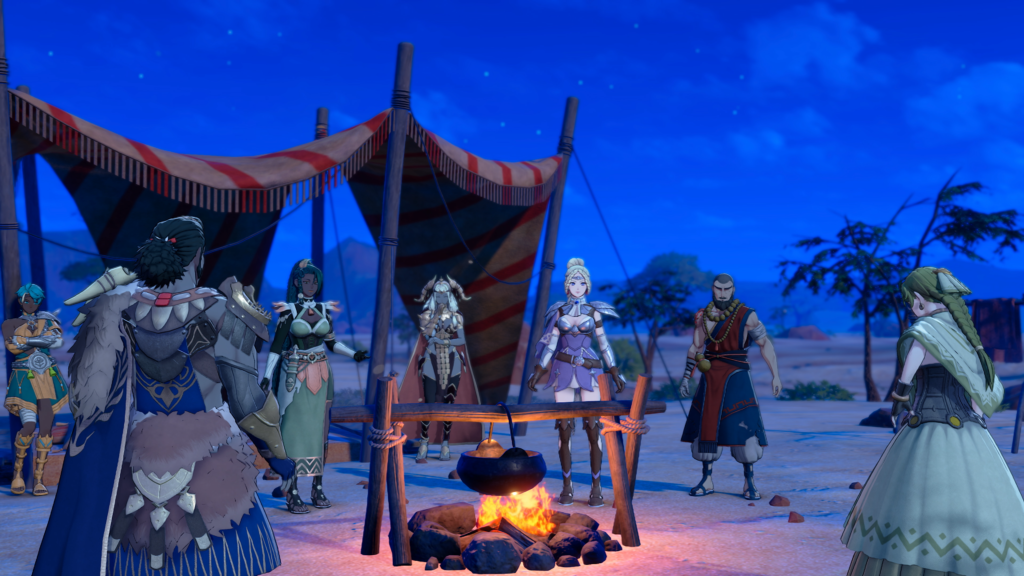
A Four-Way Parallel Narrative You Can Swap Mid-Game
The central core of Fortune’s Weave revolves around the Heroic Games—a brutal tournament held in the imperial capital of Dagsion where victory grants a single wish from the gods.
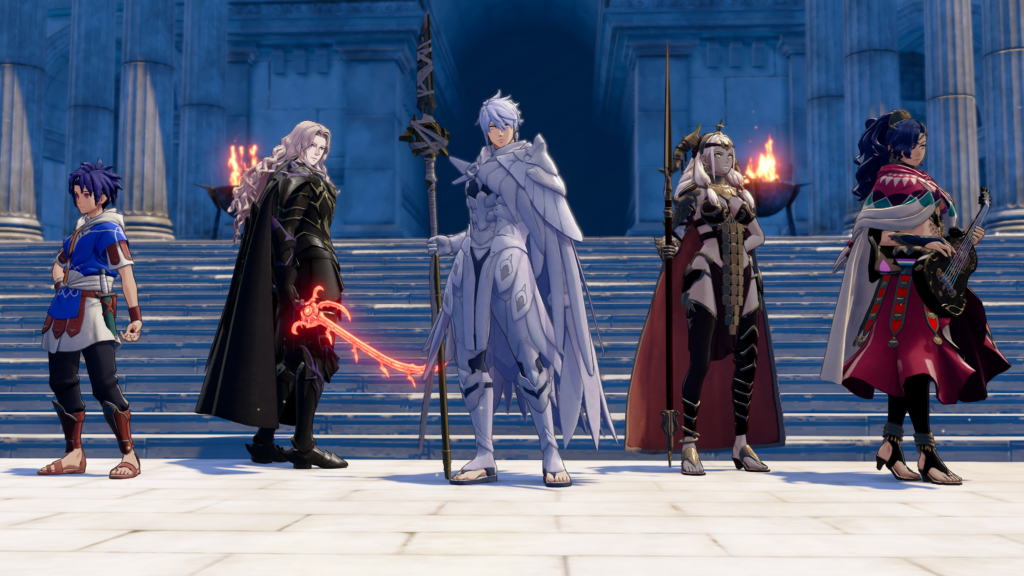
Rather than picking a route at the start and locking yourself in for 80 hours, the goddess Fortuna allows you to jump between four character arcs on the fly:
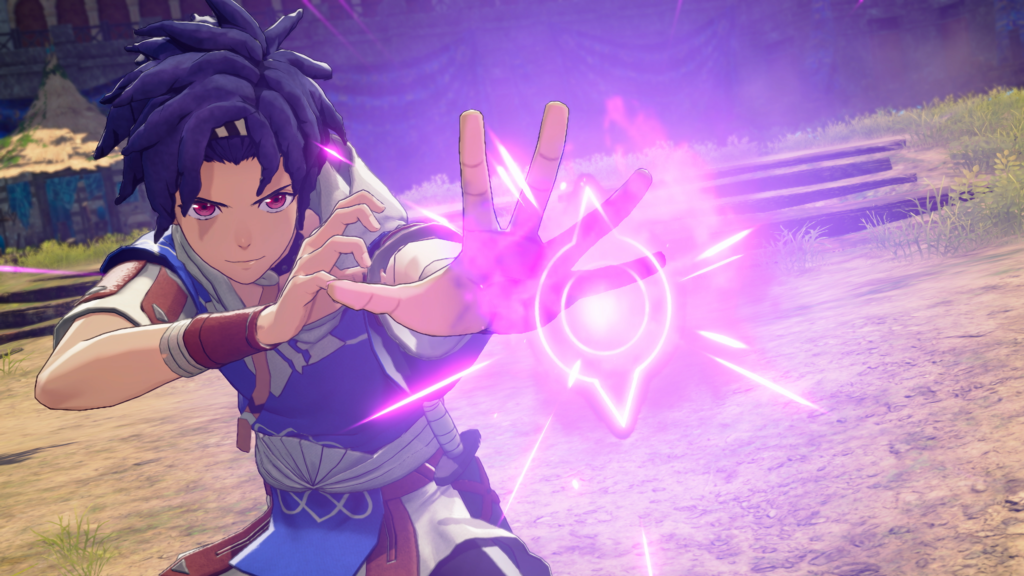
- Cai: A local villager fighting his way through the gladiator ranks to free his wrongfully imprisoned father.
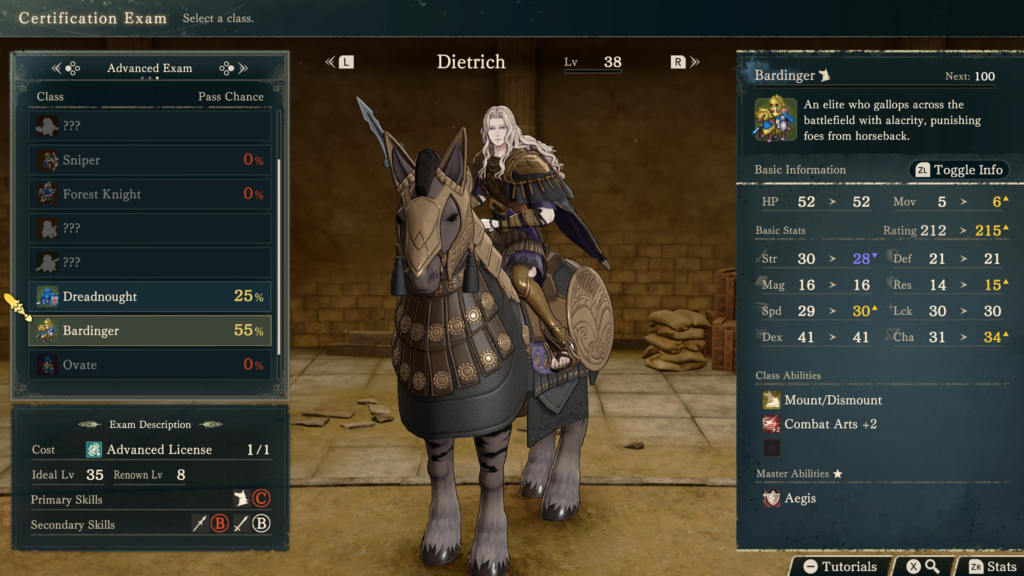
- Dietrich: A veteran warrior testing his blade against worthy opponents after losing his home to a monster attack.
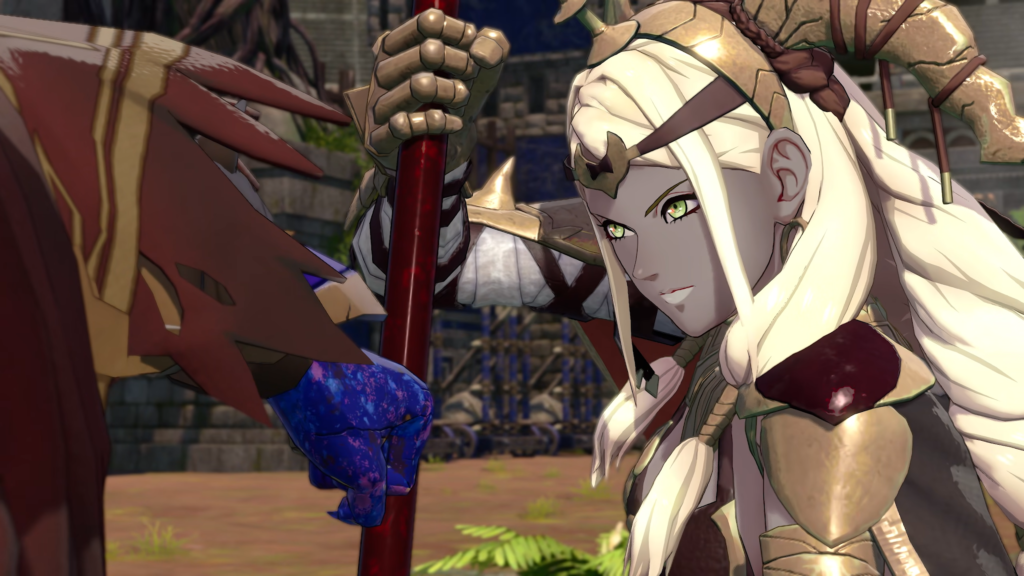
- Theodora: A regal leader fighting to secure glory and restore ancient honor to her domain.
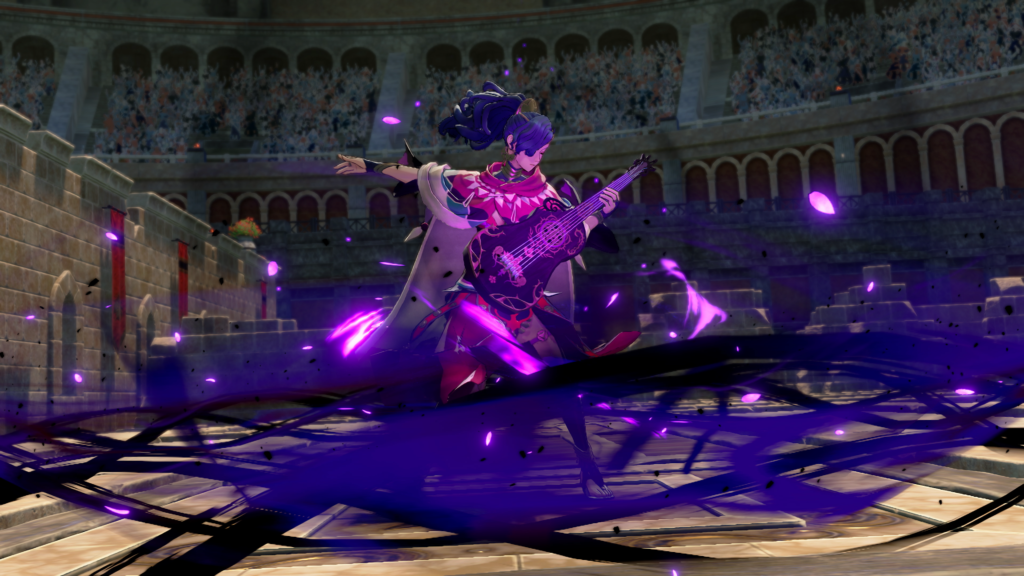
- Leda: A vengeful musician using the tournament to hunt down the “White-Maned Demon” who murdered her father.
Why this matters: You aren’t forced to re-run the entire opening campaign four separate times. Progress saves across every timeline, letting you play all four perspectives simultaneously to see how their actions clash in real time.ss all four routes. Players can travel back through time to switch between stories, allowing all four perspectives to be played in parallel.
Dagsion Hub & Overworld Exploration
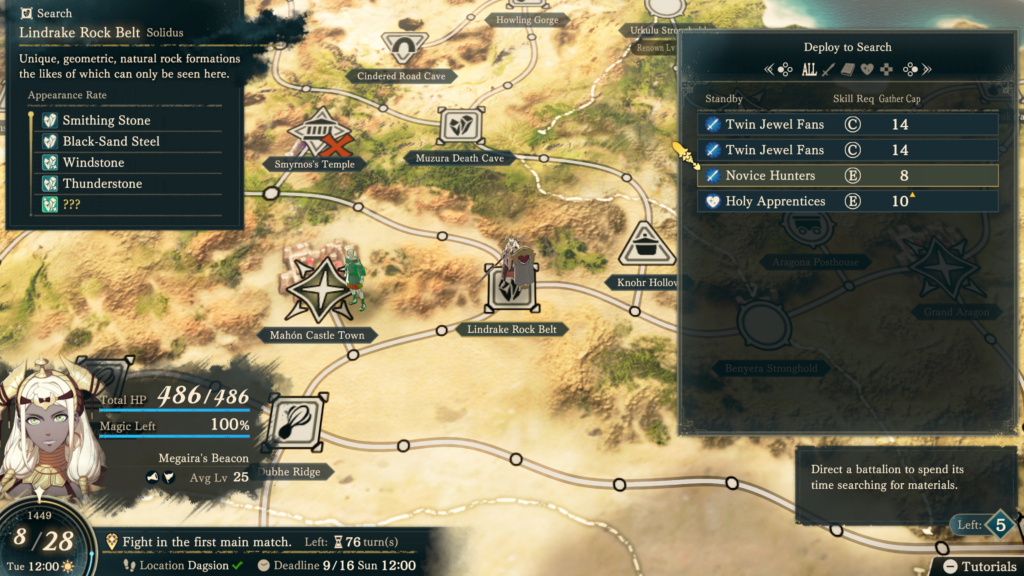
Between arena matches, players manage a turn-based budget (over 170 turns) in the capital city of Dagsion to prepare their army:
- Training & Arena Specs: Run mock battles to learn fresh skills or sit in the stands during tournament days to scout future opponents.
- Shrines & Local Quests: Pray at Temple Row for temporary stat buffs, or run errands for townspeople to recruit fresh allies over meals at the local inn.
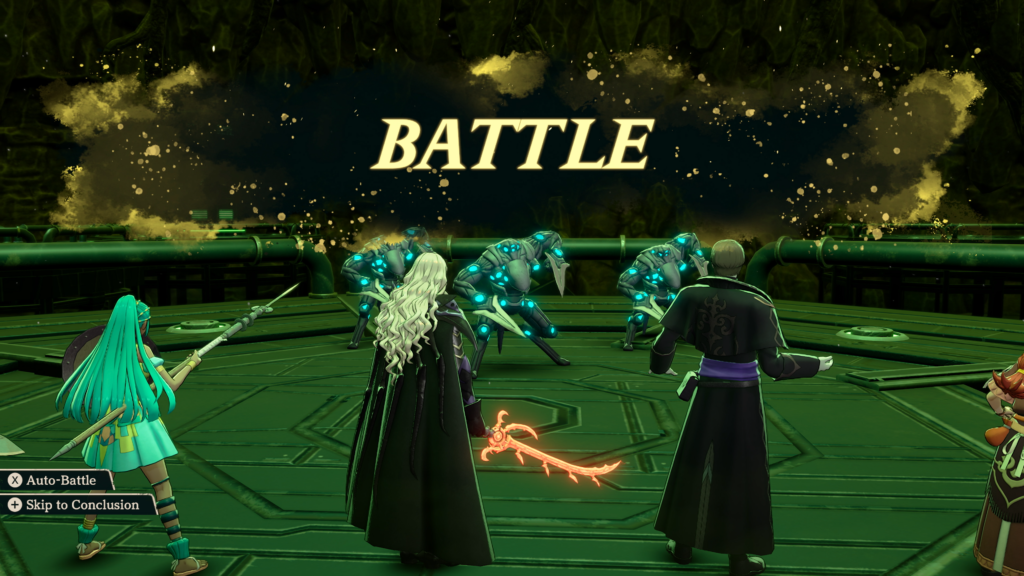
- Overworld Dungeons: Heading outside the capital advances time on an interactive world map. Dungeons transition away from standard grid combat into party-based “clash” encounters reminiscent of classic dungeon crawlers.
Combat Changes: Blaze Arts, New Weapons & Class Tiers
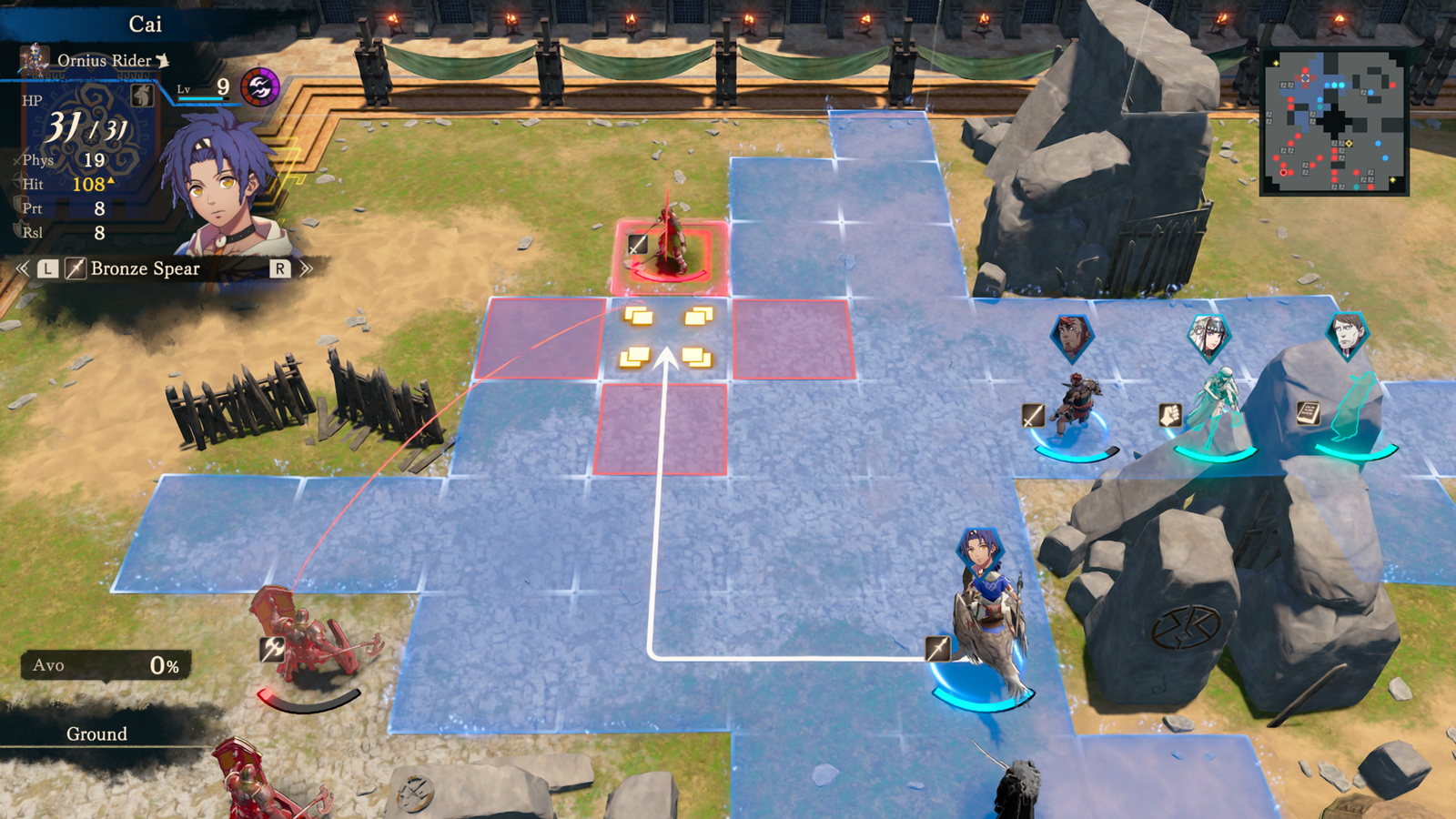
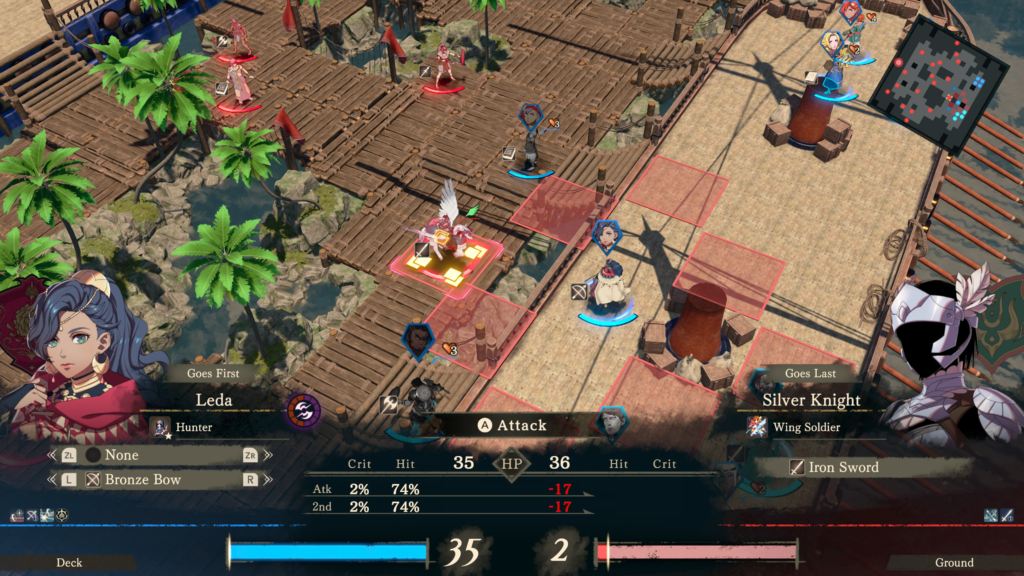
While turn-based grid positioning returns, Intelligent Systems has reworked several core battle mechanics:
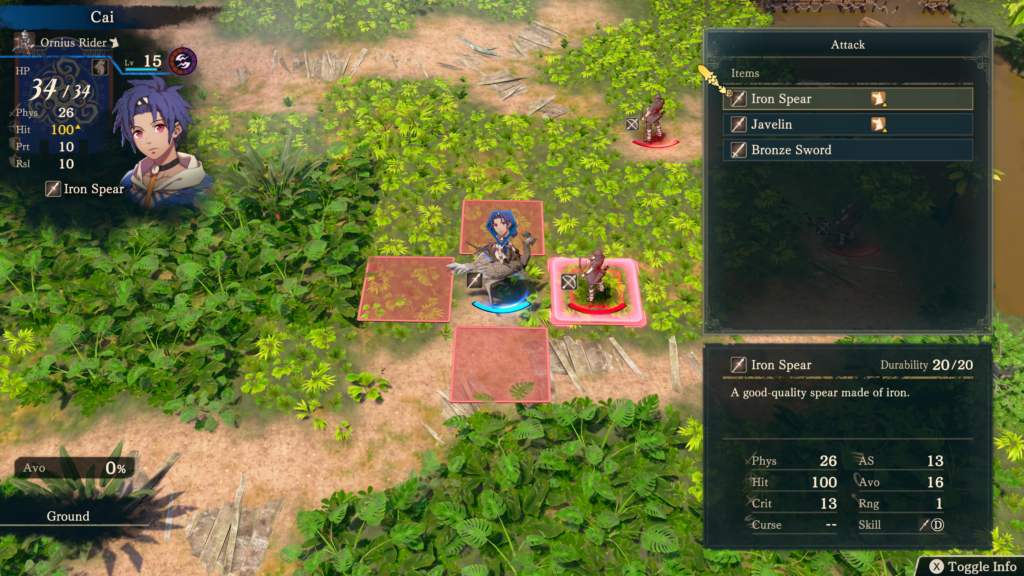
- Blaze Arts vs. Combat Arts: While classic Combat Arts deplete weapon durability, character-specific Blaze Arts consume your unit’s HP instead—allowing you to drop high-damage area attacks (like Cai’s fire bursts) or teleport across the grid at a personal cost.
- New Weapon Types: Alongside traditional swords, axes, and bows, units can equip firearm gauntlets, evasion-boosting hand weapons, and lightning blades.
- Tiered Class Promotions: Units progress across three distinct tiers (Beginner, Specialty, and Advanced), unlocking specialized roles like Charioteers, heavily armored Cataphracts, and mounted Elephant Riders.
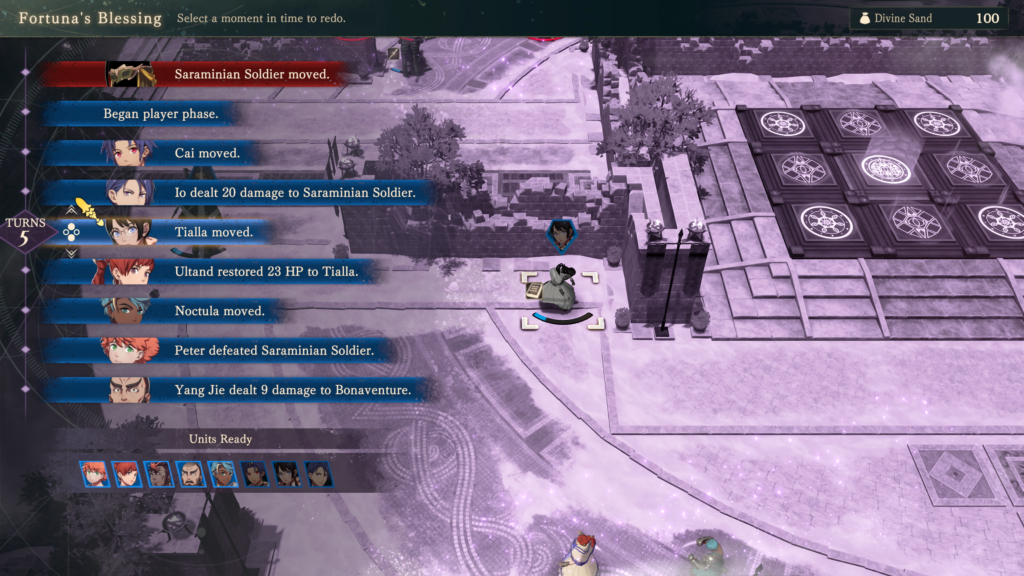
- Fortuna’s Blessing: The fan-favorite turn-rewind system returns, giving you room to fix tactical blunders mid-match.

Launch Details & Special Editions
Release Window: Fire Emblem: Fortune’s Weave arrives September 17 exclusively on Nintendo Switch 2.
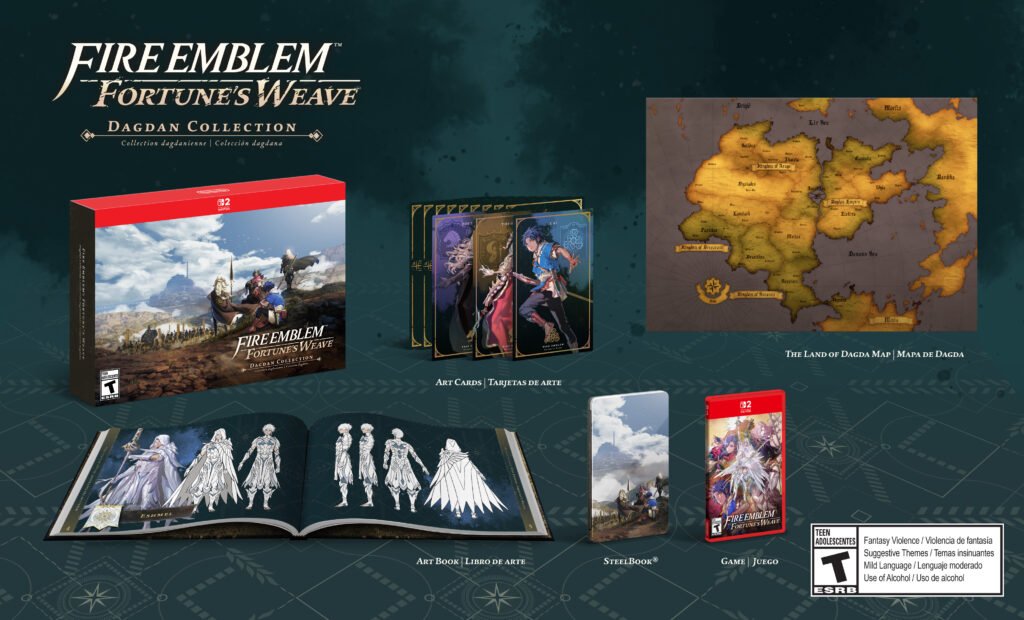
Collector’s Edition: The physical Dagdan Collection includes a steelbook case, hardcover artbook, world map of Dagda, and character art cards.
Early Bonuses: Ten music tracks are streamable now on the Nintendo Music app, with additional developer interviews arriving ahead of launch on Nintendo Today!
I don’t know about you, but I’d say Fire Emblem fans are eating quite well next month. I just wish we could get the same for the highly anticipated Ocarina of Time Remake. Are you a Fire Emblem fan? Are you getting the standard edition or the Dagdan Collector’s Edition? Let me know in the comments.